




New Water Infrastructure for the Sutter National Wildlife Refuge

By Virginia Getz, Ducks Unlimited, and Todd Manley, Northern California Water
The Sacramento Valley is home to one of the most remarkable intersections of working lands, rivers, and wildlife habitat in the world. The Sutter National Wildlife Refuge is a living example of how healthy floodplains support both nature and people. Yet, to keep this system functioning in the face of drought, floods, and weather whiplash, we must invest in modern water infrastructure that sustains the refuge and strengthens the entire Valley.

Today we celebrated the completion of a major water infrastructure project to provide more reliable water delivery and supply to Sutter National Wildlife Refuge. This project has been a partnership of Ducks Unlimited working with the U.S. Fish and Wildlife Service and the U.S. Bureau of Reclamation (Reclamation), and with funding support from the California Natural Resources Agency and Reclamation. This newly completed lift station project enables water for Sutter National Wildlife Refuge to be diverted from the East Sutter Bypass ditch at lower levels, ensuring a more consistent and reliable water delivery to the refuge and avoiding impacts to neighboring agricultural lands.

Why the Sutter Refuge Matters?
The Sutter National Wildlife Refuge provides critical resting and feeding grounds for waterfowl and other migratory birds traveling along the Pacific Flyway. With its location within the Sutter Bypass, it also offers habitat for salmon, sturgeon, and other native fish that rely on seasonal floodplains. The Refuge functions as a natural buffer during high-water events, helping absorb flood flows before they reach downstream communities.
This blend of biodiversity protection and flood management makes the refuge an essential piece of the Sacramento Valley’s water system.
The Infrastructure Need
Despite the refuge’s importance, much of its management relies on insufficient and outdated water delivery infrastructure. Inadequate diversion capabilities make it difficult to provide the right amount of water at the right time—especially when balancing dry-year shortages.


Modern Infrastructure for a Modern Valley
Investing in new water infrastructure—such as upgraded diversion points, fish-friendly pumps, modern control gates, and integrated floodplain reconnection projects—will help unlock multiple benefits:
- Flexible water management: Delivering sufficient water to wetlands and floodplains precisely when needed.
- Expanded habitat opportunities: Mimicking natural processes to support salmon rearing, bird migration, and other wildlife cycles.
- Resilient agriculture and habitat: Integrating refuge water needs with surrounding farms ensuring all benefit from a healthier water system.

The Sacramento Valley Mosaic
The Sutter National Wildlife Refuge represents more than a single project—it’s part of a regional strategy. Across the Sacramento Valley, new infrastructure is key to advancing multi-benefit projects that tie together agriculture, environment, and communities. By modernizing how we move and manage water, we can create a more functional floodplain mosaic—where refuges, farms, and rivers all thrive together in harmony. The innovative work in the Sutter Bypass is an important part of both Floodplain Forward and Floodplains Reimagined and will contribute to the Healthy Rivers and Landscapes Program—all benefitting both the Sacramento Valley and almost forty million people throughout California!
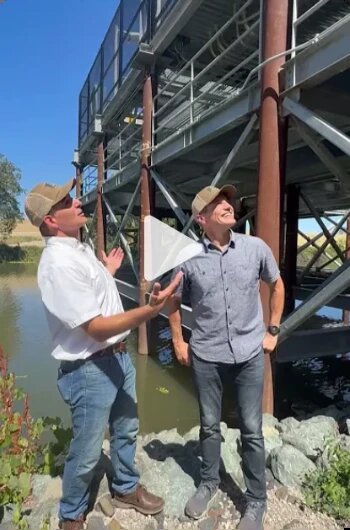
Click below to watch a short video of Secretary Wade Crowfoot and Ducks Unlimited’s Jeff McCreary discuss the significance of the newly completed lift station project at Sutter National Wildlife Refuge today.
Looking Ahead
The future of the Sacramento Valley depends on how well we adapt our water systems to meet the challenges ahead. By prioritizing investments in places like the Sutter Refuge, we create living laboratories of resilience—demonstrating how thoughtful water infrastructure can sustain both people and nature. Sacramento Valley Wildlife Refuges need funding for water-related improvements to maintain, enhance, and restore wetlands that provide habitat for multiple species and recreation opportunities for the public. This is detailed in Central Valley Refuge Needs.
New infrastructure is not just about pipes and pumps—it’s about building the foundation for abundance in the Sacramento Valley, where migratory birds still fill the skies, salmon return to rivers, and agriculture continues to be productive.
To see a film on the four actions to reactivate floodplains in the Sacramento Valley, including both bypasses and refuges, please see Four Actions on How to Reconnect the Floodplains.