




By Paul Buttner, Manager of Environmental Affairs, California Rice Commission and Todd Manley, Director of Government Relations
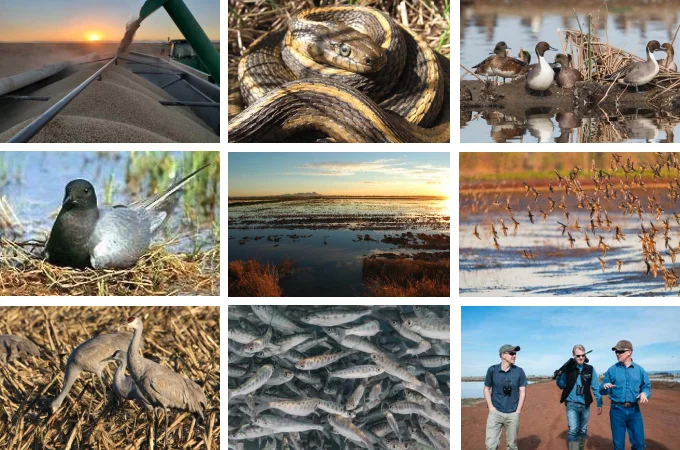
Each year on September 7, California celebrates California Biodiversity Day, an opportunity to recognize the remarkable variety of plants, fish and wildlife that make our state one of the most biologically diverse places in the world.
Here in the Sacramento Valley, biodiversity is part of the landscape around us every day.
From the ridgetops and forests of the Sierra Nevada, Cascade and Coast Range to the Sacramento River and its important tributaries, floodplains, wetlands, wildlife refuges and productive farms, the Sacramento Valley supports an extraordinary mosaic of habitats. It is a place where farms, rivers, wetlands and wildlife refuges are interconnected—and where people are continually finding new ways to manage water and land together to benefit both communities and wildlife.
A Valley Managed for Multiple Benefits
The Sacramento Valley’s biodiversity is part of our healthy rivers, landscapes and communities.
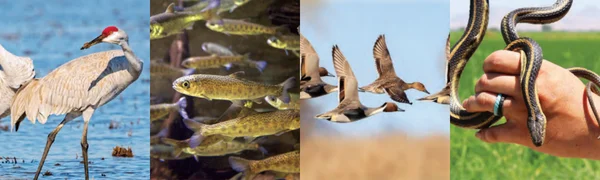
Salmon move through our rivers and floodplains. Waterfowl fill the skies above wetlands and wildlife refuges. Giant Gartersnakes inhabit ricelands and canals. Pollinators flourish across farms and natural landscapes. Oak woodlands, riparian forests, seasonal wetlands and mountain watersheds support countless other species.
The opportunity before us is to continue managing this landscape for multiple benefits.
Through efforts to reconnect rivers and floodplains, enhance salmon habitat, improve wildlife refuges, advance groundwater recharge, sustain ricelands and carefully manage water from the mountains to the Sacramento River and Delta, the Sacramento Valley can demonstrate what modern biodiversity stewardship looks like.
It is not about setting land aside. It is about understanding how an entire landscape functions—and then managing our farms, rivers, wetlands and water infrastructure in ways that allow both people and wildlife to thrive across a working landscape.
A Working Landscape Alive with Wildlife
The Sacramento Valley is home to roughly 500,000 acres of rice, the “environmental crop” creating one of the most distinctive working landscapes in California. During the growing season, flooded ricelands function much like the wetlands that historically covered large portions of the Central Valley. After harvest, hundreds of thousands of acres can again provide valuable wetland habitat during the fall and winter.
This landscape, together with the Valley’s wildlife refuges and managed wetlands, provides habitat for 230 species of fish and wildlife.
The California Rice Commission has been a leader in biodiversity and currently identifies 230 wildlife species that rely on Sacramento Valley rice fields, including waterfowl, shorebirds, raptors, reptiles, mammals and fish. Among them are Greater Sandhill Cranes, Bald Eagles, Swainson’s Hawks, Western Pond Turtles and the threatened Giant Gartersnake.
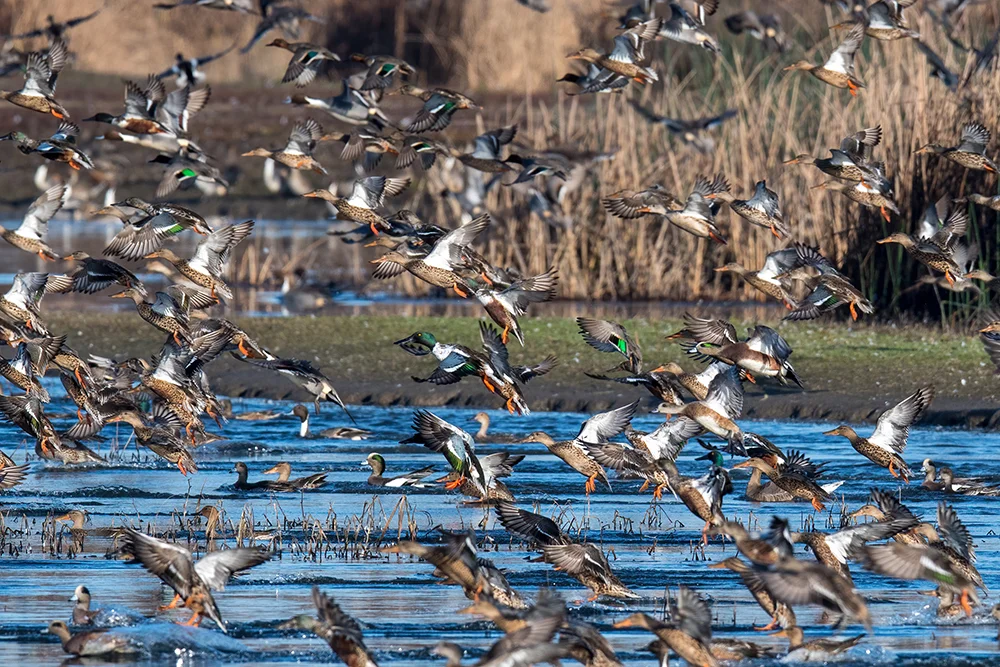
For millions of ducks and geese traveling the Pacific Flyway each year, Sacramento Valley ricelands provide an especially important place to rest and feed during their remarkable annual migrations.
This ecological value has led to a growing focus on what has become known as the “Rice Footprint”—the amount of rice needed on the landscape to sustain the ecological functions that wildlife has come to depend upon.
With approximately 95 percent of California’s historic wetlands lost, rice fields now provide more than 300,000 acres of surrogate wetland habitat in a typical year. Maintaining a sufficient rice footprint is therefore about more than maintaining an agricultural crop. It is also about maintaining an ecosystem.
That connection reinforces an important lesson for biodiversity in the Sacramento Valley: productive agriculture and thriving wildlife do not have to be competing values. In many places, they are mutually reinforcing.
The Sacramento Valley offers a powerful example of how biodiversity can work in a state with 40 million people. We truly value our many partnerships to bring this region to life.
Biodiversity is all around us. It is swimming through our rivers, moving across our floodplains, flying over our rice fields, and living within the working lands that sustain our communities.
Protecting that natural abundance—and finding new ways to enhance it—is central to a vibrant future for the Sacramento Valley.
For more information, see the Atlas of the Biodiversity of California.